Candidates in school librarian preparation programs collaborate with the learning community to strategically plan, deliver, and assess instruction. Candidates design culturally responsive learning experiences using a variety of instructional strategies and assessments that measure ALA/AASL/CAEP School Librarian Preparation Standards (2019) the impact on student learning. Candidates guide learners to reflect on their learning growth and their ethical use of information. Candidates use data and information to reflect on and revise the effectiveness of their instruction. (American Association of School Librarians (2019). ALA/AASL/CAEP school librarian preparation standards. ALA.)
Planning for Instruction
During my student teaching, I learned how important it is to work closely with classroom teachers and to take time to reflect on my lessons. After giving assessments, I looked at what worked and what didn’t, and I adjusted my worksheets and regrouped students to better support their learning. I plan to keep using what I’ve learned about thoughtful planning and reflection so I can continue improving my lessons and meeting my students’ needs.
Planning for Instruction
&
Instructional Strategies
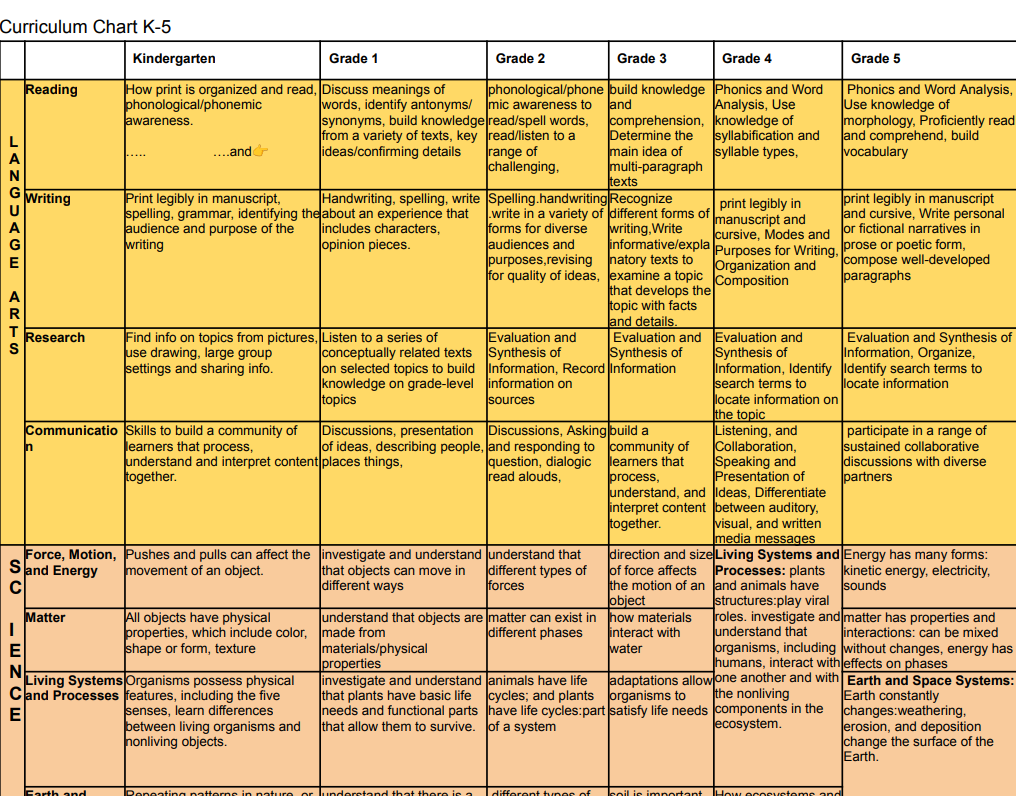
I created this curriculum chart to help me clearly see where students are in each subject across the elementary grade levels. Having a physical copy of the SOL standards makes it easier for me to reference them quickly and collaborate more efficiently with classroom teachers.
Integrating Ethical Use of Information into Instructional Practice.
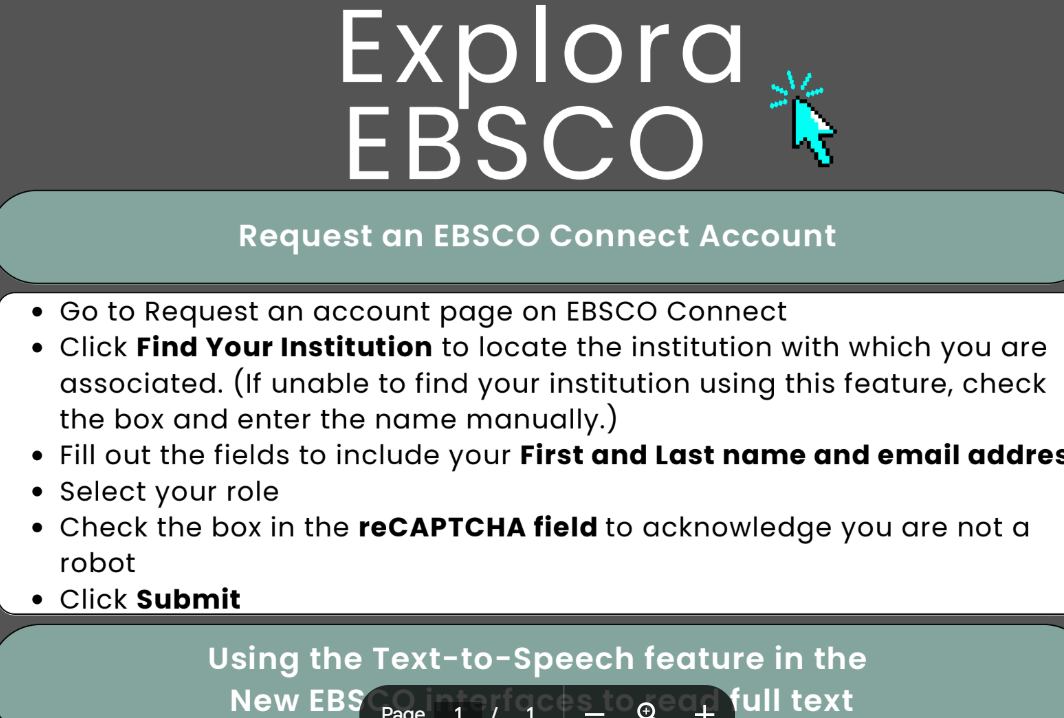
Another way I collaborate with classroom teachers is through professional development. I created this handout to support training on the Explora EBSCO database. By introducing this tool, I help teachers differentiate instruction and ensure students can access grade-level content in multiple ways.